
Every now and then, you start seeing headlines suggesting that tourism in Spain is becoming a problem. Protests about short-term rentals. Concerns about housing shortages. Frustration with visitors who treat Spanish towns like party resorts.
It can make you wonder: Is Spain still good for tourists?
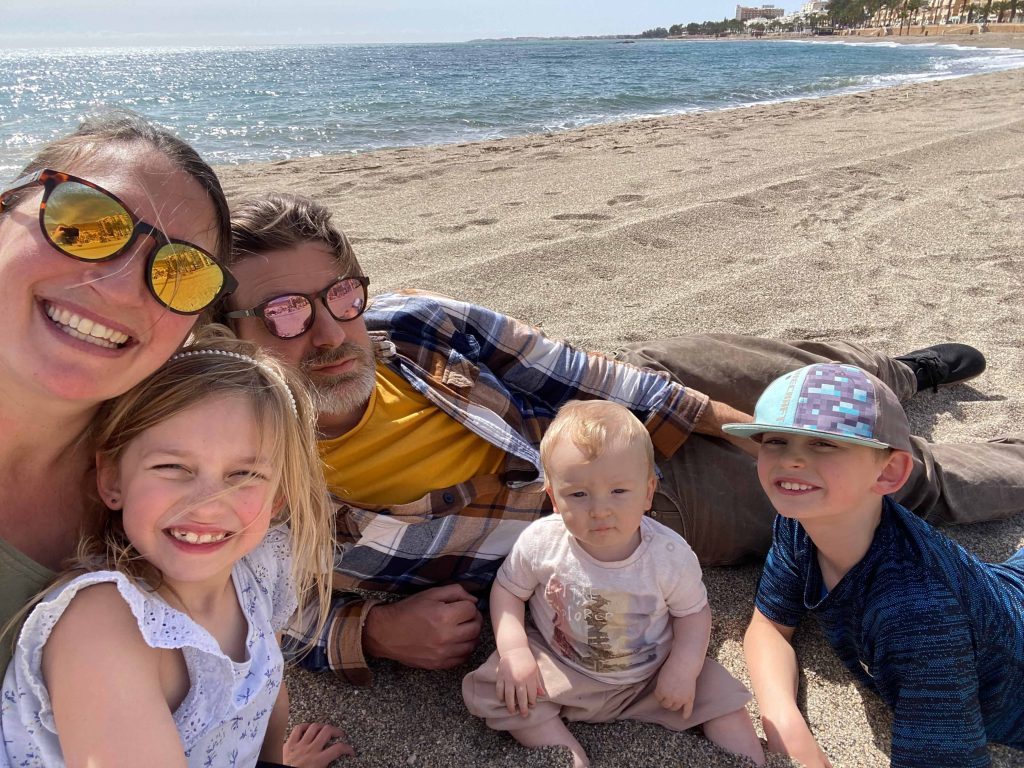
We’re currently travelling in Spain as a family, and the honest answer is yes… but with a growing caveat.
Spain is still an incredible place to visit. The culture, food, landscapes and people are amazing. But it’s also becoming clear that how we travel matters more than ever.
Why Some Locals Are Frustrated With Tourism in Spain
Tourism is hugely important to Spain’s economy, but in some places the balance has tipped too far. In certain areas, locals are seeing housing being converted into tourist accommodation, town centres dominated by short-term rentals, visitors drinking heavily in public spaces, beaches and streets left littered, and tourists expecting everyone to speak English.
Some restaurants and shops feel pressured to change their menus and experiences to suit foreign visitors rather than local traditions.
If you imagine living somewhere that suddenly fills with visitors for months at a time — many speaking different languages and expecting things to work the way they do at home — it becomes easier to understand why some communities feel frustrated.
And honestly, if the same thing happened in our hometown in the UK, we’d probably feel the same.
Why We Chose a Spanish-Speaking Town
When we decided to spend time travelling in Spain, we made a deliberate choice. Instead of heading to a big tourist hotspot, we came to a smaller Spanish-speaking town where very little English is spoken.
Not because we wanted to make life difficult for ourselves, but because we wanted to experience Spain properly.
That means trying to speak Spanish even when we get it wrong, ordering local dishes rather than defaulting to food we recognise, listening to the chef’s recommendations, and accepting that sometimes we won’t fully understand conversations.
Something interesting happens when you travel this way. When locals see that you’re making the effort, they often meet you halfway.
Kids Trying to Speak Spanish Changes Everything
One of the things we’ve noticed most is how people react when the kids try to speak Spanish.
They’ll confidently say things like “Hola”, “Gracias”, or “¿Podemos tener…?”
It’s rarely perfect, but the reaction is almost always the same. People smile. Shop owners slow down their Spanish so the kids can follow. Restaurant staff become more animated and encouraging.
Suddenly, we’re not just tourists passing through — we’re a family trying to connect.
Trying Spanish Food Instead of Searching for British Food
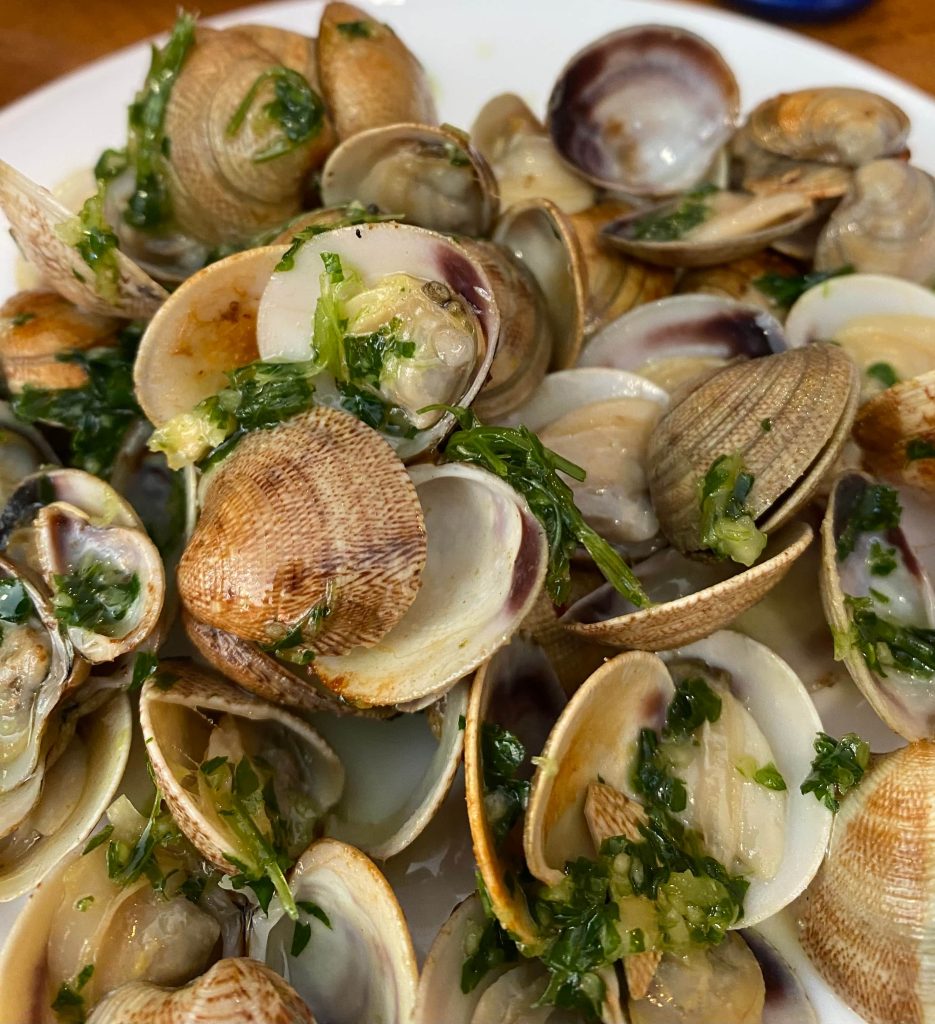
Another thing we’ve been conscious of while travelling in Spain is not defaulting to what we already know.
It would be easy to search for English breakfasts, burgers and chips, or familiar British-style meals. But that’s not why we travel.
Instead, we ask what the chef recommends and try local dishes, even if they aren’t something we would normally choose.
Sometimes we’re not entirely sure what we’ve ordered. But that’s part of the experience. And honestly, some of the best meals we’ve had have come from trusting the local recommendations.
Respecting the Place You’re Visiting
We try to approach travel in the same way we live at home. If we see litter, we pick it up. We respect local rules and nature. We don’t assume public spaces exist for us to treat however we want.
That might sound obvious, but in areas with heavy tourism, it’s often the small behaviours repeated thousands of times that cause the biggest problems.
Being a respectful traveller means remembering that you’re visiting someone else’s home.
Staying Outside the Tourist Bubble
Another decision we made was to stay slightly outside the main tourist areas.
This means we’re supporting local businesses rather than large chains, experiencing everyday town life, and avoiding places that feel designed purely for tourists.
It’s a slower way to travel, but it feels much more authentic.
Why Travelling in the Shoulder Season Helps
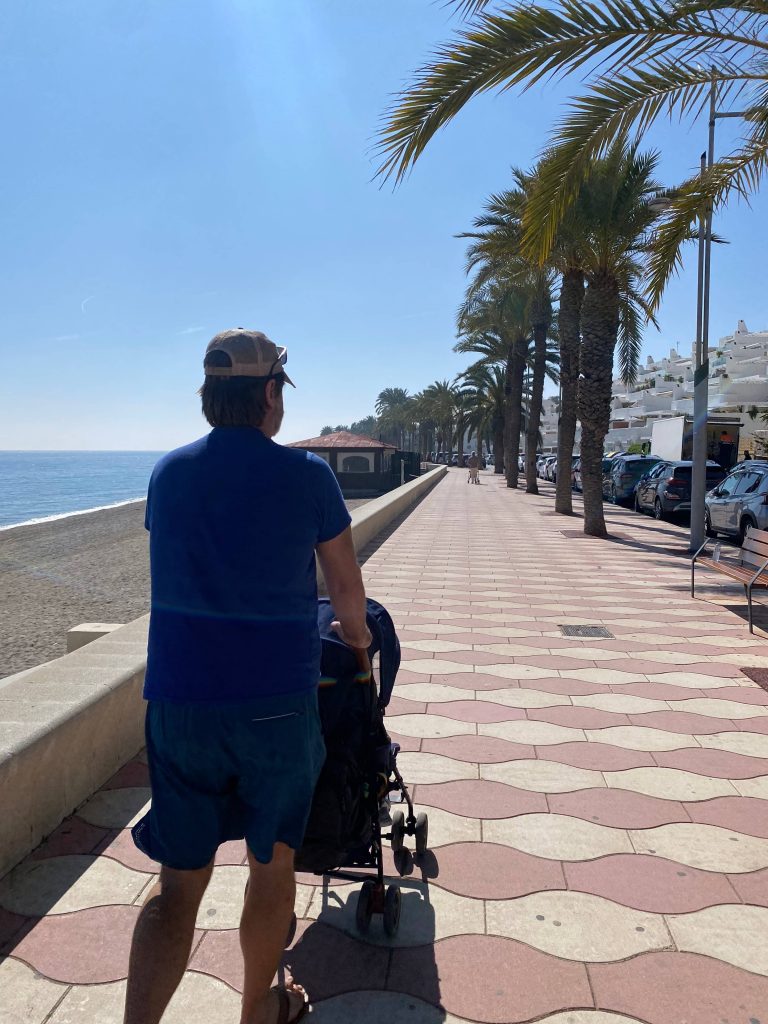
We’ve also chosen to travel outside the peak summer months in Spain. Visiting during the shoulder season means things are quieter and more relaxed.
It puts less pressure on local infrastructure and gives businesses a chance to earn outside the intense summer rush.
We appreciate that travelling outside school holidays isn’t always possible for families, but even within the school calendar, there are options like February half term, Easter holidays, and October half term.
August in Spain is incredibly busy. When towns suddenly become overwhelmed with visitors, it’s easy to understand why locals might feel like their home has been taken over.
Our Honest Experience With Spanish Hospitality
Our experience travelling in Spain has been mostly positive. Locals are generally polite and tolerant of visitors.
But if we’re being honest, we’ve had friendlier receptions in some other countries.
What we’ve noticed, though, is that when we’re clearly trying to live more like locals — speaking Spanish, embracing the food and respecting traditions — people become noticeably warmer.
It’s like a small switch flips. We’re no longer just another group of tourists passing through. We’re guests.
Tourism in Spain Isn’t Over — But It Is Changing
Tourism in Spain isn’t disappearing, but there is clearly a growing conversation about how tourism should work in the future.
The days of cheap flights, mass tourism and expecting every destination to feel like home may be changing.
Instead, travel is slowly shifting towards something more mindful — respecting cultures, supporting local communities and appreciating the differences that make each place unique.
Because those differences — the language, traditions, food and way of life — are exactly what make travel interesting in the first place.
Travel With Curiosity, Not Expectations
Spain is still a wonderful place to visit. But like anywhere in the world, being a thoughtful traveller matters.
Learn a few words of the language. Try the local dishes. Respect the culture. Leave places better than you found them.
If more of us travelled that way, tourism would feel less like an invasion and more like what it should be: an exchange between cultures.
And that’s when the real magic of travel happens.
Want to Find Out Where We Are Travelling Now
Check out our YouTube channel