


What happens when you want freedom, a family, adventure and a life that works?
Travel with family looks great on Instagram, but is it realistic for your family?
Do you need to be making loads?
What do you do about your house?
This article tackles the most common questions and offers some practical tips to help you decide:
A. If travel is right for you.
B. How to plan the right adventure for your family
Contents
- Why Money Is the First Question Families Ask About Travel
- How Much Does It Really Cost to Travel as a Family?
- Our top tips for first-time travel
- Is It Cheaper to Travel or Live at Home With Kids?
- Can Families Afford Travel Without High Incomes?
- What’s the Cheapest Way to Travel With Kids (Without Making It Miserable)?
- Why Budgeting Alone Doesn’t Make Family Travel Affordable
- How to Know If Family Travel Is Financially Right for You
- Design an Adventure That Works For Your Family
- Frequently Asked Questions About Affording Family Travel
Why Money Is the First Question Families Ask About Travel

Scroll through Reddit threads about family travel, and one question appears again and again:
“Travelling looks amazing… but how do people afford it with kids?”
For most families, money isn’t just about flights and accommodation. It’s about risk, responsibility, and doing right by your children. Having money is a safety net; you can keep your home, come and go as you please and feel safe when you travel.
We’ve found that money isn’t really a travel problem. It’s actually cheaper to live abroad than in the UK, and in many ways it’s safer.
Most people stay stuck because they keep waiting for “enough money to travel. Often waiting for something external to change, like a job opportunity or a guaranteed business.
We’ve found we needed a Plan that:
1. Addresses your Beliefs about what’s possible for you.
2. Focuses on an adventure you feel is worth having.
3. taking responsibility for the education your family actually need.
4. Building an income that works around your family and your adventure.
5. Committing to an action plan.
It’s not a money problem. It’s a life design problem.
When we make a Plan that works for us, Adventure happens.
How Much Does It Really Cost to Travel as a Family?
The cost of family travel varies wildly, but not for the reasons most people think.
People often assume travel is expensive for families because:
- Flights multiply with each child
- Accommodation needs more space
- Eating out happens more often
But the highest cost isn’t travel itself — it’s what you keep paying for at home while you’re away.
When families pay for:
- Rent or a mortgage
- Bills and subscriptions
Travel on top is unrealistic, especially when most people are trying to make ends meet.
For this reason, most people think the answer is to sell their house, but we wouldn’t recommend this until you’ve had a few years of travelling under your belt and decide it’s a lifestyle you wish to continue (sometimes a few months is enough).
The first time we travelled, we Airbnb’d our home, and rented it out the second time. If you are a renter, you may be able to sublet your home furnished as an Airbnb. Or if you are not attached to it, you can live cheaply abroad for a while. Check out our blog below if you want more info on your house.


Our top tips for first-time travel.
- 1. Don’t travel far: Travel doesn’t have to mean Thailand and Bali with £1000+ air tickets each. Eastern Europe is a great first-time destination with flights from £13 each. With different cultural food and some amazing locations, you can bug out and come home.
- 2. Stay longer: Airbnb and Booking.com both offer up to 40% discounts on month-long stays, especially in off-seasons. Beaches in winter and ski chalets in Summer mean nice temperatures all year round for around nice temperatures. means you can cover all your accommodation for around £600 a month
- 3. Come off the beaten path: countries like Montenegro, Albania and Bosnia offer cultures you haven’t been exposed to through media and offer safety and adventure with are very welcoming of families.

Is It Cheaper to Travel Than to Live at Home With Kids?
This is one of the most debated questions online.
And the honest answer is:
Sometimes, yes.
Often, it’s about the same.
But for families who travel intentionally — long stays, slower travel, real day-to-day living — the way money is spent changes completely.
Why Spending Often Drops When You Travel
At home, a lot of spending isn’t planned; it’s emotional or essential.
You pay to survive. If you have any money available, it gets spent :
- Driving to new places because where you live feels repetitive.
- Buying things because you’re bored or tired.
- Booking treats because you need something to get through the week.
When you’re living somewhere new, that pressure disappears.
Exploring is the entertainment.
- Different beaches.
- A new park.
- Towns you haven’t walked yet.
Meanwhile, you don’t need: - Fuel costs.
- Entry tickets.
- “We deserve a treat”, spending just to break the routine.
You’re not chasing novelty — you’re already in it.
Life Is Cheaper in Many Other Countries
That said, the UK is a very expensive place to live, and daily life is cheaper in most other countries.
For example, when we were in Hungary, we travelled across the country by train for less than £20.
In Montenegro, we ate out for under £10 — and couldn’t even finish the food.
Not because we were budgeting tightly,
but because that was simply the normal cost of living there.
Costs That Often Drop When You Travel
- Transport and fuel
- Eating out
- Convenience spending
- End-of-week “treat” habits
If you have children in childcare, this is often one of the biggest hidden costs.
Full-time childcare in the UK can easily cost £1,000+ per month per child.
And beyond the money, there’s something else families often don’t realise until they step away:
You never get that time back.
For many travelling families, childcare costs reduce or disappear — not because parents are “doing more”, but because life slows down and days are designed differently.
Monthly Cost Comparison
(Typical UK family vs long-stay travel)
| Expense | Living at Home (UK) | Living Abroad (Long Stay) |
|---|---|---|
| Mortgage / Rent | £1,100–£1,400 | £300–£700 |
| Council Tax | £150–£220 | Not applicable |
| Electricity & Gas | £150–£250 | Included or minimal |
| Water | £35–£45 | Included |
| Internet | £30–£50 | £20–£40 |
| Mobile Phones | £30–£40 | £20–£40 |
| Food & Groceries | £450–£600 | £250–£400 |
| Transport / Car Costs | £300–£500 | £50–£150 |
| Childcare / Clubs | £100–£1,000+ | Often not needed |
| Entertainment / Treats | £150–£300 | £100–£200 |
| Estimated Monthly Total | £2,600–£3,900+ | £900–£1,700 |
Why This Matters
This is why The Escape Planner doesn’t start with destinations or packing lists.
It starts by helping families understand:
- what they’re currently paying for
- which costs disappear when life changes
- and what those costs are really buying them
Once that’s clear, planning an adventure feels far less overwhelming — and far more possible.


Can Families Afford Travel Without High Incomes?
One of the biggest myths is that travelling families are wealthy.
In reality, many families travelling with kids have:
- Average incomes
- Flexible or location-independent work
- Lower ongoing expenses
Affordability (and, in my opinion, true wealth) comes less from earning more and more from needing less.
When work, learning, and family life are aligned, money stretches further. Not because of extreme frugality, but because spending becomes more intentional. Spending money, time and energy on what makes life worthwhile rather than simply surviving or keeping up with the Joneses.
This shift is at the heart of the Escape Planner: helping families align income with the kind of life they actually want to live.
You can choose to find remote work (Digital PA, sales and consultancy, bookkeeping are some of the most popular)
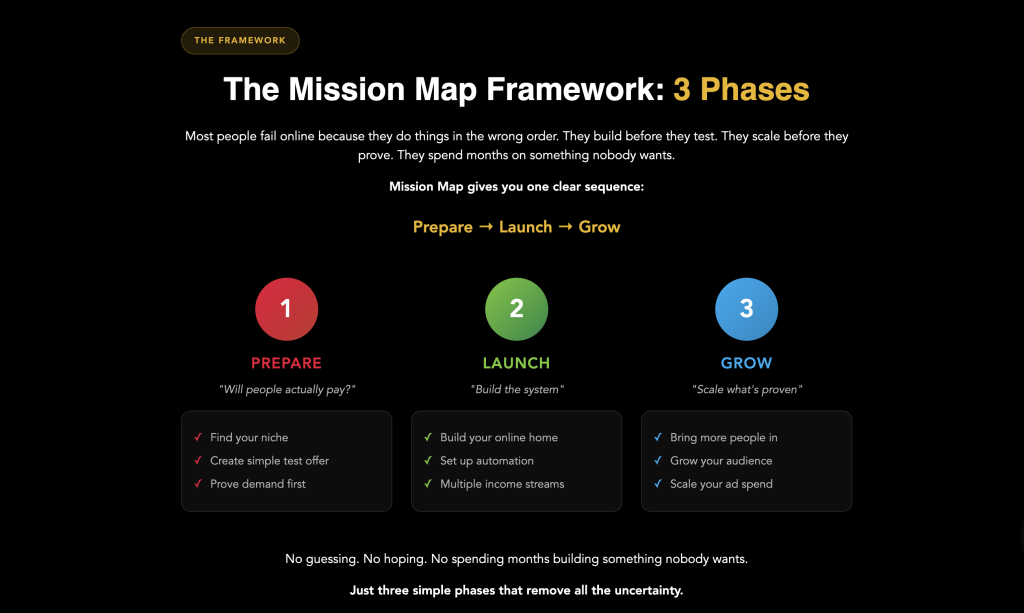
We often help people develop their own business that they can run using this simple 3-phase mission map
What’s the Cheapest Way to Travel With Kids (Without Making It Miserable)?
Families on Reddit are quick to say it:
“Cheap travel that’s stressful isn’t worth it.“
It’s easy to assosiate cheap travel with high risk countries and dodgy hostels. The kind of travel you might have done in your early 20’s. I can tell you hostels are often £10 per person a night, as a family of 5 this is not cheap. £1500 a month to look after your kids in a room full of strangers, no thank you.
Once you get out of cities and book long term stays in multi room accomodation you have the comfort of a home base, where you can cook wash clothes and relax in the garden. Some hotels offer incredible stays off season here’s a family apartment for less than £2 a night per person. Click the image to see what you get.
<script async src="https://trpwdg.com/content?trs=383412&shmarker=601423&locale=en&default_direction=Bulgaria&sustainable=false&deals=false&border_radius=5&plain=true&powered_by=true&promo_id=2693&campaign_id=84" charset="utf-8"></script>The most affordable family travel often looks like:
- Slower travel with fewer moves
- Staying in places designed for daily life, not tourism
- Cooking some meals at home
- Choosing comfort over constant activity
Ironically, this kind of travel often feels richer.
- Kids settle,
- Routines form naturally,
- And parents aren’t constantly firefighting logistics.
Doing a little more of what you love usually costs less than chasing everything at once.
Why Budgeting Alone Doesn’t Make Family Travel Affordable
Many families save for years… and still never go.
That’s because budgeting answers how, but not why.
Without clarity on:
- The kind of life you want
- What you’re willing to change
- Things you’re doing out of habit
It’s easier to say “one day” or “we just need a little more”
We created The ALMO Escape Planner off the back of our own plans, as we started removing the obstacles and beliefs that were keeping us stuck.
Now we use what we learned to help families design an adventure that works for them. Financial decisions become clearer and calmer.

How to Know If Family Travel Is Financially Right for You
Before asking “Can we afford to travel?”, better questions are:
- What are we trying to move toward as a family?
- Which costs actually support our values?
- What would enough look like for us?
Answering these questions doesn’t require quitting jobs or booking flights. It requires space to think.
That’s why Part 1 of The Escape Planner exists — to help families explore the idea safely, slowly, and honestly.
Design a Life That Feels Right for Your Family
Travelling as a family doesn’t have to be expensive or stressful. Families who make it work aren’t using secret hacks. They’ve given themselves the freedom to explore what works for them.
It starts with a simple question:
If you had the freedom, how would you want to be spending today?
At alittlemoreoutdoor.com, we share stories, tools, and frameworks to help you:
- Step back and reflect on what truly matters
- Make intentional choices that fit your family’s life
- Plan adventures—big or small—without breaking the bank
The life you want isn’t about money, timing, or following someone else’s rules. It’s about designing a family life that feels right—for you.
Frequently Asked Questions About Affording Family Travel
Can families really afford to travel long-term?
Yes, when travel is part of life design rather than an add-on. Many families find long-term travel costs similar to normal living expenses once fixed costs are reduced.
Is travelling with kids more expensive than travelling as a couple?
It can be, but children also encourage slower travel, longer stays, and more routine — all of which reduce costs.
We also find most countries are waaaay more excited to see and accommodate kids, so you get a few perks as well.
Do you need a high income to travel with kids?
No. Flexibility, lower fixed expenses, and aligned work matter more than headline income.
Is it cheaper to travel internationally or stay local with kids?
It depends on pace and lifestyle. Slow international travel can be comparable to living costs at home, especially when accommodation and transport are simplified. The most important thing is to do what you love.
What’s the biggest financial mistake families make when planning travel?
Trying to fund travel without changing anything about their existing lifestyle.
1. Decide what you want from life.
2. Choose an adventure.
3. Reflect on what your family need to learn.
4. Earn in a way that complements your lifestyle choice.
5. Take action.
When’s the right time to start an adventure?
When you’ve clarified what kind of life you want.
Don’t just escape a less-than-perfect life; take the opportunity to create a life you love.
This doesn’t mean waiting till you’re certain that everything will work. It won’t.
Adventure is about making mistakes, learning from them, and moving forward. Just make sure you start by moving in a direction that benefits you.
That means looking holistically at:
1. Your beliefs
2. The adventures you want to have
3. The education you need for your family
4. The way you earn
5. Committing the life you want.